
An opening in the abdomen to divert feces away from the diseased part of the GI tract is known as a stoma. This opening connects an end of the GI tract to the outside of the body. To manage stools passing out of the stoma, you are going to have to wear an ostomy bag.
The most common ostomies created to treat inflammatory bowel disease are the following.
- Ileostomy
- Colostomy
These ostomies can be permanent or temporary, depending on the overall condition. You will get a temporary ostomy if there is a chance of the diseased part of your bowel to heal. The surgeon will reconnect the two ends of the bowel through surgery at a later date. You will get a permanent ostomy if your bowel has no chance to heal.
The forms of IBD that necessitate a person to undergo ostomy surgery include Crohn’s disease and ulcerative colitis. The reason you may need an ostomy in this regard is that these conditions can reduce the ability of the lower part of the GI tract to pass waste materials. Furthermore, the existence of these conditions may turn out to be quite painful.
Stoma surgery procedure
The procedure for stoma surgery will depend on the part of the GI tract that needs treatment. After disconnecting the diseased part of the GI tract, the surgeon brings the end of the healthy part out through the abdominal wall. This end is then stitched to the abdominal skin, creating a stoma.
Before surgery, you will meet a specialized stoma nurse who will tell you about the stoma, its site on your abdomen, and the equipment you will need to manage your stoma.
Recovering from surgery
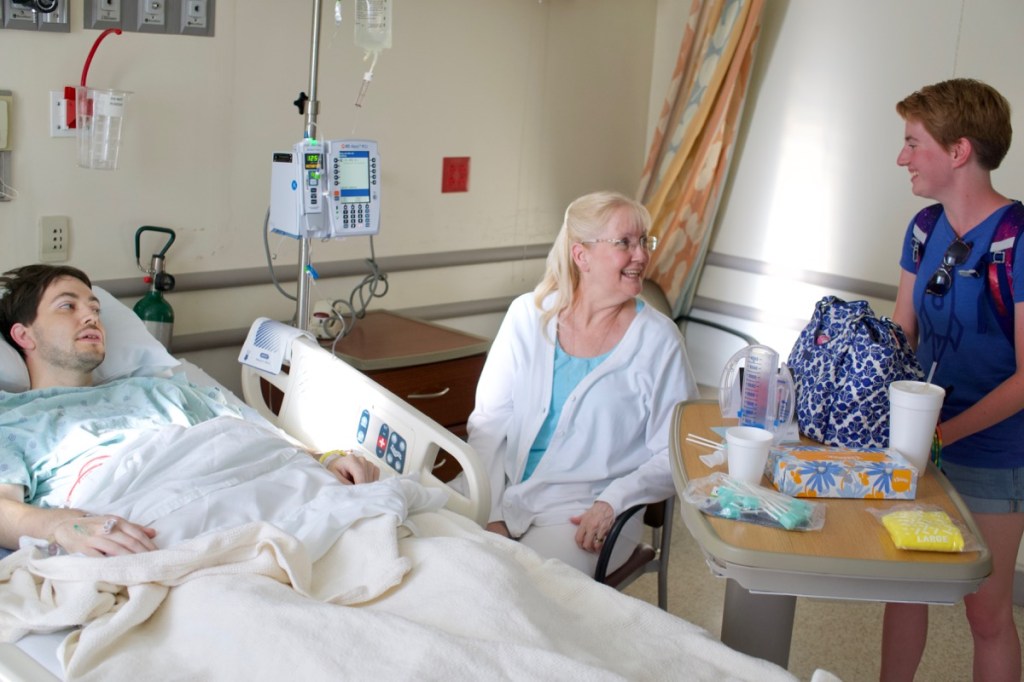
Having a stoma is not a pleasant experience for many people. It may take some time for you to adapt to this change in your body. After surgery, you will need to stay in the hospital for 3-7 days. The surgical team will examine your stoma and monitor the recovery process to make sure that things are not heading to the development of post-surgery complications. If initial recovery goes well, your doctor will allow you to home.
A stoma is red, moist, and quite large after surgery. Its size reduces over the next few weeks as your bowel recovers. It generally takes 6-8 weeks for the stoma to settle to a permanent shape and size.
The stoma starts functioning a couple of days after surgery. Initially, it will pass out watery stools with a strong smell. The consistency of the stool thickens, and the smell subsides as your bowel recovers.
During the recovery phase, you will need to follow a restricted diet plan, which usually excludes the foods that can cause problems for your bowel. It means that you may have to limit your diet to foods with porridge-like consistency and fluids.
You can also get back to an active lifestyle in a few weeks after surgery. It includes going to the workplace and engaging in light physical activity. You can speak to your doctor about increasing intensity in your workout once you realize that you are regaining body strength.
 Ostomy Care Site